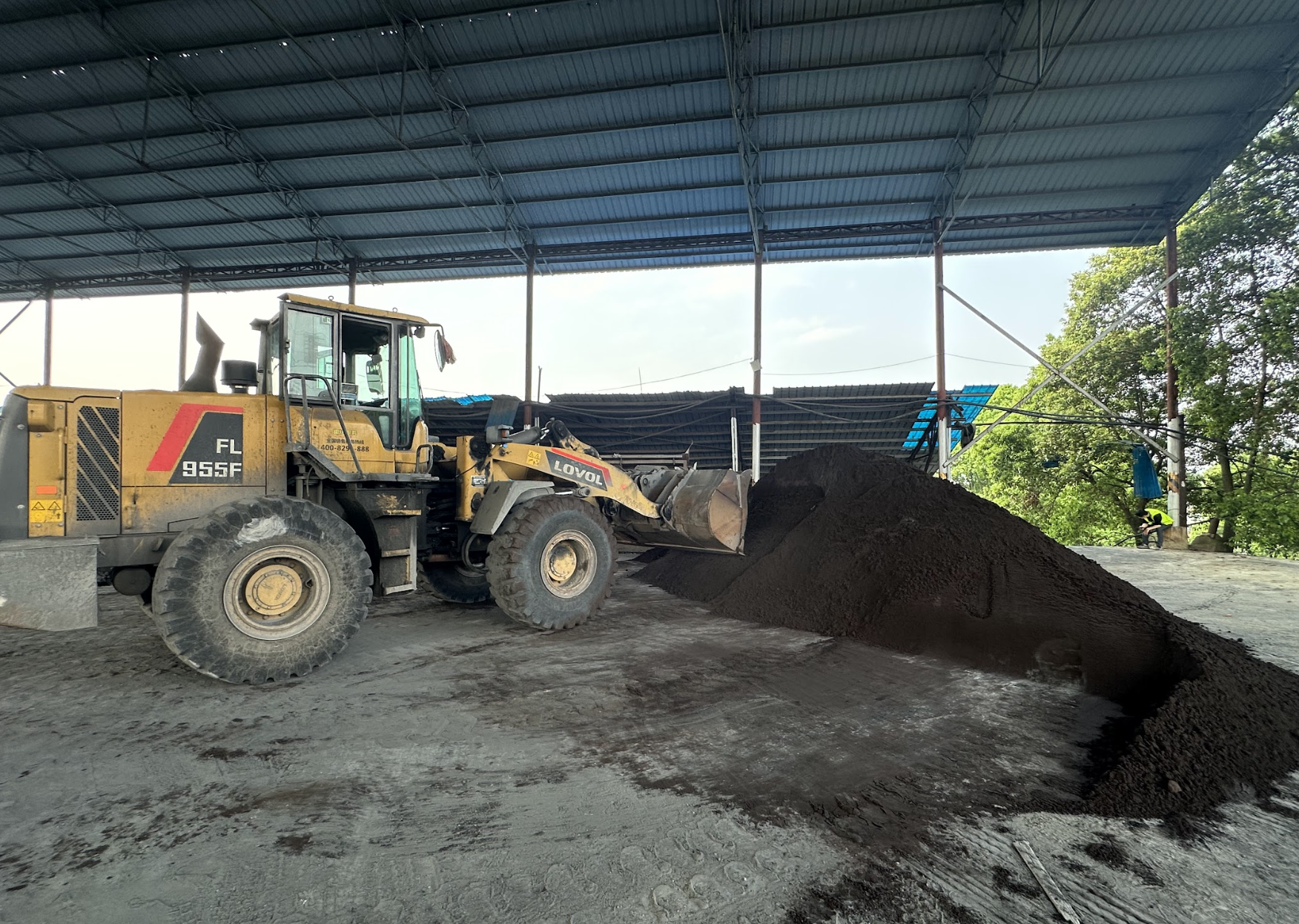
Chromite ore sourced from Zimbabwe
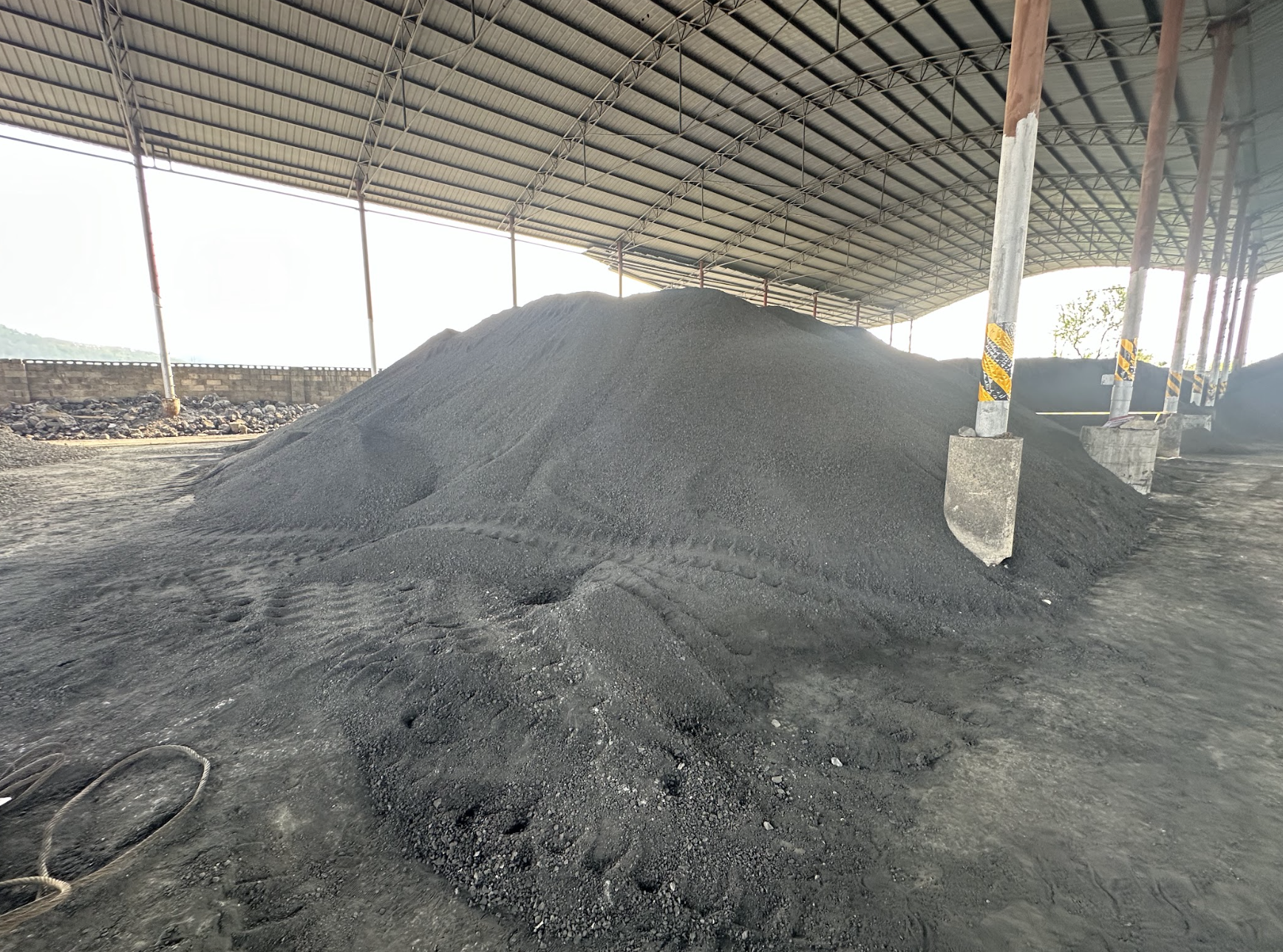
Chromite ore sourced from South Africa
🪨 We walked through a chrome industrial park we supply last week and stopped in our tracks.
Two stockpiles of chrome ore, sitting right next to each other. Same mineral. Same end use. But visually? They couldn’t have been more different.
One pile from Zimbabwe - warmer, brownish tones, almost like the rock has been dusted with earth.
The other from South Africa - darker, denser-looking, grey-black with metallic sheen.
Same “chrome”. Different story written in the rock.
So what’s going on here?
Chromite never occurs in a vacuum. It sits inside complex geological systems that shape how it looks - and how it behaves in the furnace downstream.
Zimbabwean chrome along the Great Dyke is known for its high chromium-to-iron ratios, and it’s often hosted alongside iron-bearing and silicate minerals that can give parts of the ore a warmer, browner cast.
South African chrome from the Bushveld Complex forms in massive stratiform layers inside one of the world’s largest igneous intrusions - and those seams typically present as darker, compact, grey-black chromite with denser, more metallic look.
What you see on the surface - that shift from brownish to grey-black - is the visual fingerprint of different magmatic histories, trace elements, and host rock chemistry.
Why this matters more than aesthetics?
Those visual differences are clues to real compositional differences, which matter to the smelters and processors we sell into:
Chrome-to-iron ratio and gangue minerals influence energy consumption, slag chemistry, and alloy grade in ferrochrome production.
The “right” origin depends on what the buyer’s furnace and process are optimized for - cost per ton, kWh per ton, or target alloy grade.
If your procurement team treats all chrome as interchangeable, you’re leaving efficiency - and margin - on the table.
The supply chain lesson hiding in plain sight
There’s a second lesson in those two piles: concentration risk.
If your chrome supply is locked to a single country, you’re only one policy change, port disruption, or power crisis away from a problem. Both South Africa and Zimbabwe have seen shifts in export rules, energy reliability, and royalty regimes over the past decade.
Buyers who diversify across origins don’t just balance specs. They build resilience into their supply chain before they need it:
Hedge against export bans, quotas, and evolving critical mineral policies.
Reduce exposure to any single power grid, trail network, or port.
Gain flexibility to blend ores and optimize their process performance over time.
You only notice this kind of thing when you’re on the ground - walking the stockpiles, talking to operators at the facilities we supply, and sourcing materials from multiple seams across multiple countries over years.
📩 If you’re looking for reliable chrome supply across Africa, we’d love to connect. 🌍
#ChromeOre #Chrome #MiningAfrica #ElementMiningAfrica #CriticalMinerals #SupplyChain #Zimbabwe #SouthAfrica